BLAZE, the retail operating system used by regulated dispensaries across the U.S. and Canada, has named Brad Cross as Chief Revenue Officer. The move, announced from the company's Anaheim headquarters, puts a two-decade SaaS sales veteran in charge of expanding BLAZE's reach among multi-state operators (MSOs) and multi-dispensary operators (MDOs) at a moment when consolidation and AI adoption are reshaping how cannabis retailers run their stores.
Why the Hire Matters to Operators
Cross isn't new to this corner of retail technology. He joins from Sweed, a competing dispensary platform, where he led U.S. commercial strategy as CRO. Before that, he built revenue organizations at Adthena and Upflow, and cut his teeth on enterprise POS and e-commerce systems at SmartFocus. For MSOs weighing which technology partner can actually scale alongside them - through new state launches, acquisitions, and shifting point-of-sale demands - that kind of cross-industry pedigree carries weight. Cannabis retail software vendors live or die on retention among larger accounts, and a CRO who has sat on both sides of the sales table in regulated and unregulated SaaS markets brings a different read on what enterprise buyers actually need.
AI-Driven Retail Enters the Compliance Conversation
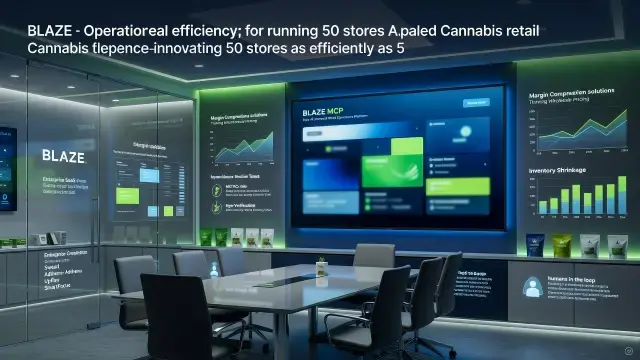
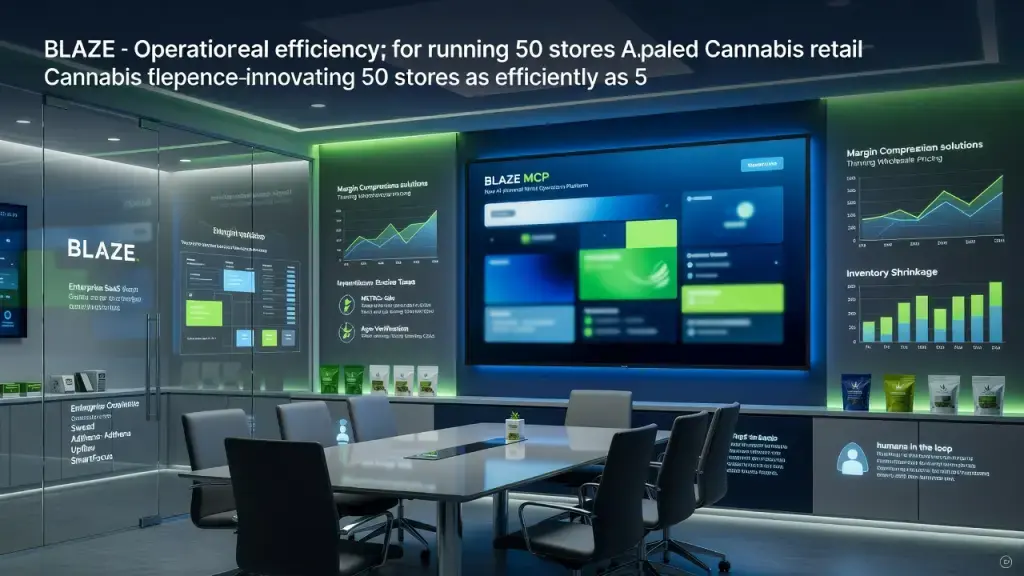
The appointment lands alongside BLAZE's push into what it calls AI-powered retail operations, anchored by BLAZE MCP, a tool launched in September that connects AI systems like Claude and ChatGPT directly to the platform's point-of-sale, e-commerce, and marketing functions. In practice, that means store managers or regional directors could, in theory, issue natural-language commands that trigger dozens of backend actions - adjusting wholesale menus, updating SKU pricing, or pulling compliance logs - without clicking through multiple dashboards. That's a meaningful shift for an industry still laboring under seed-to-sale tracking mandates, METRC reporting requirements, and the general administrative weight of operating under 280E tax restrictions.
Here's the catch, though: automation at this scale raises its own compliance questions. Any AI layer sitting on top of a POS system still has to produce auditable records for state regulators, maintain accurate batch and lab-testing data tied to COAs, and avoid errors in age-verification or inventory reconciliation that could trigger a compliance review. BLAZE frames its approach as keeping "humans in the loop," which is the right instinct - regulators are not going to accept "the AI did it" as an explanation for a seed-to-sale discrepancy or a mislabeled product batch.
What It Signals About Market Pressure
Cross's comments about running "50 stores as efficiently as five" point to the underlying pressure driving this hire: margin compression. MSOs are contending with thinning wholesale pricing, excise tax burdens, and the slow creep of inventory shrinkage costs, all while trying to keep budroom staffing lean. Software that promises operational leverage - fewer clicks, faster restocking decisions, tighter control over delivery manifests - is attractive precisely because labor and compliance overhead eat into already thin retail margins in adult-use and medical markets alike.
For competitors in the dispensary software space, the signal is clear enough: enterprise accounts are the battleground now, not single-location shops. Platforms that can't demonstrate compliance-grade reliability alongside AI features may struggle to hold MSO clients who answer to investors, auditors, and state licensing boards simultaneously.