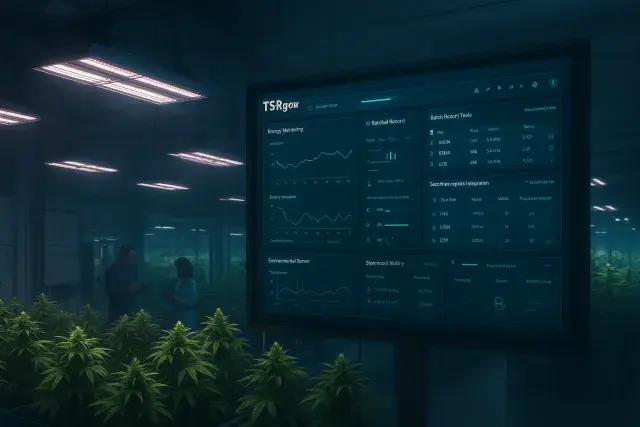
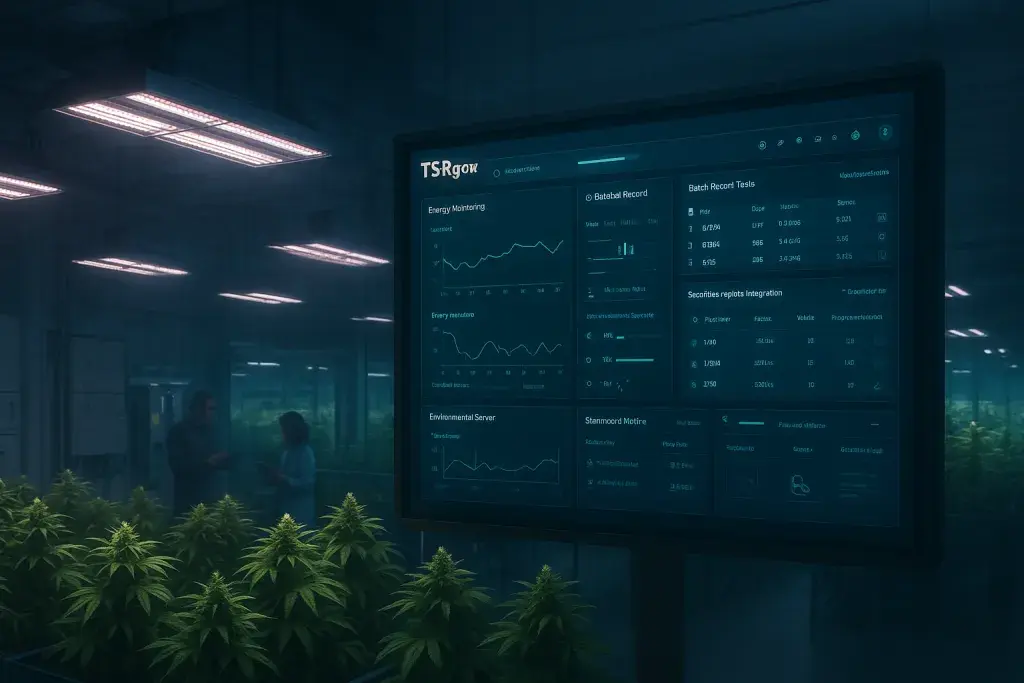
TSRgrow has rolled out a significant expansion of GROWHub, its cultivation software platform, adding energy monitoring, expanded batch-record tools, Metrc integration and Building Management System connectivity ahead of 2026. The update matters because it addresses a problem cultivators have quietly lived with for years: operational data scattered across lighting controllers, spreadsheets, environmental sensors and compliance software that rarely talk to each other. For commercial grow operations managing multiple rooms, cultivars and crop cycles, that fragmentation isn't just inconvenient - it's a real drag on decision-making and audit readiness.
The mechanics here are worth unpacking. GROWHub functions as the software layer behind TSRgrow's LED lighting and Remote Power infrastructure, meaning it already sits at the center of how a facility grows its crop. By layering analytics, historical reporting and energy tracking on top of that existing hardware relationship, TSRgrow is betting that cultivators want fewer platforms, not more dashboards to check. That's a similar logic to what's driving consolidation across retail-facing cannabis software, where operators searching for something like the best dispensary software vermont increasingly expect point-of-sale, inventory and compliance functions bundled rather than stitched together after the fact. best dispensary software vermont
Why Batch Records and Metrc Integration Matter Now
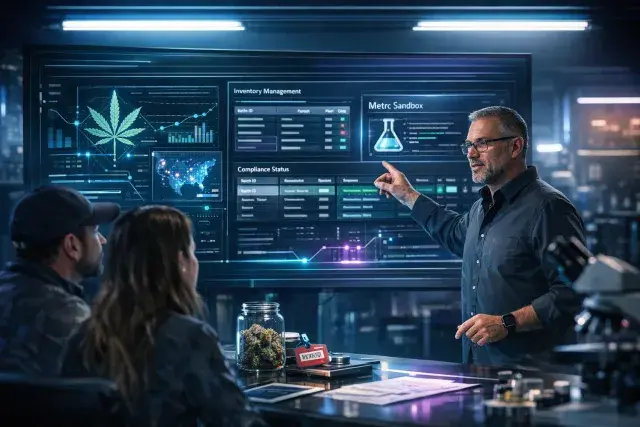
Compliance recordkeeping in cultivation has traditionally lagged behind what dispensaries and processors deal with downstream. Track-and-trace systems like Metrc capture plant tags, transfers and harvest weights, but the operational detail behind those numbers - lighting recipes, environmental conditions, room-by-room adjustments - often lives elsewhere, if it's captured at all. Expanded batch-record functionality lets cultivation teams tie cultivation settings directly to individual crop cycles, and Metrc integration connects that record to the regulatory trail regulators actually audit.
That combination matters more as scrutiny increases. With federal rescheduling discussions ongoing and states continuing to tighten track-and-trace requirements, operators who can produce a clean, connected record of how a batch was grown - not just what left the facility - are in a stronger position during inspections, recalls or license renewals. Compliance officers know the difference between having data and being able to retrieve it quickly; this closes some of that gap.
Energy Monitoring Meets Facility Operations
Energy costs are one of the largest recurring line items in indoor and greenhouse cultivation, and they're notoriously hard to isolate by room, zone or growth stage without dedicated monitoring. By pulling energy data from Remote Power infrastructure into the same system as environmental and cultivation records, GROWHub lets operators evaluate lighting strategy against actual consumption rather than estimates. Expanded BMS connectivity extends that further, allowing cultivation data to interact with broader facility systems instead of sitting in an isolated silo.
None of this replaces sound cultivation practice or licensed compliance staff - software organizes data, it doesn't make regulatory judgment calls. But for multi-state operators managing several facilities under different state compliance regimes, a platform that reduces manual recordkeeping while strengthening traceability addresses a genuine operational risk, not just a convenience.