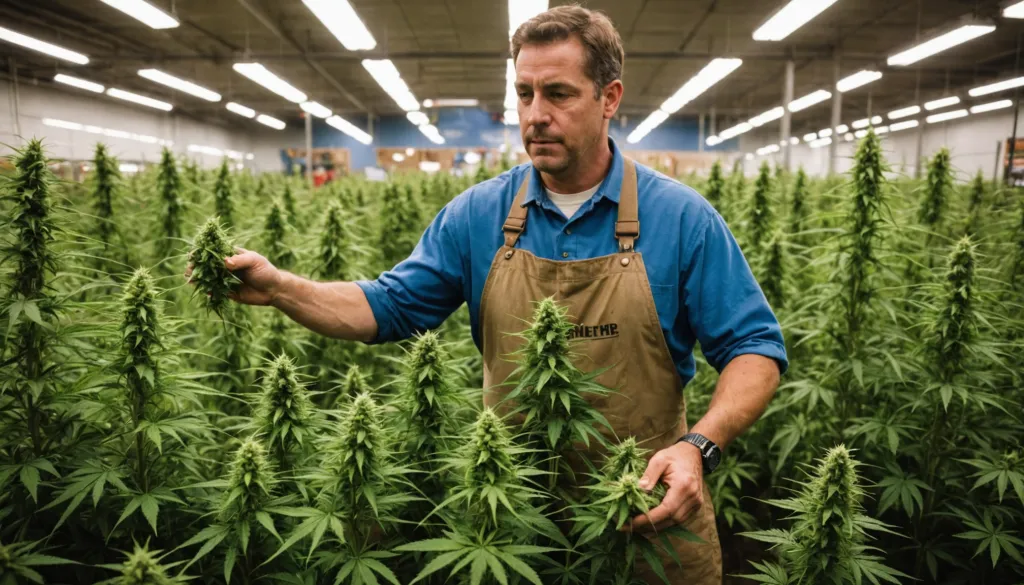
A billion-dollar hemp economy in Pennsylvania is staring down a regulatory cliff. Congress has set a December deadline to decide whether to tighten restrictions on hemp-derived products or ban categories of them outright, and that uncertainty is rattling farmers, processors and retailers across Lancaster County and beyond.
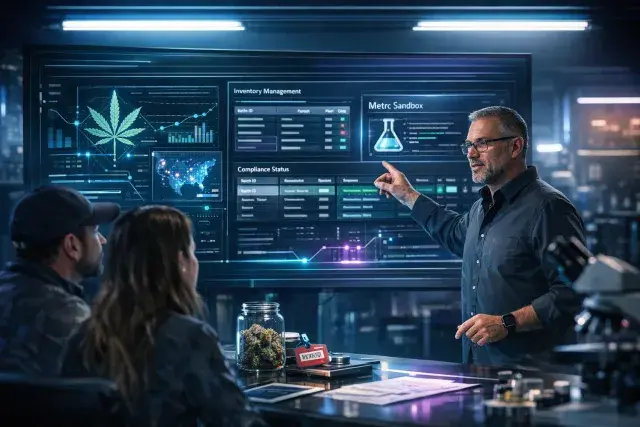
The stakes are not abstract for operators like Jake Sitler, founder of Endo and president of the Pennsylvania Hemp and Cannabis Guild, who sells CBD-based beverages, gummies and topicals that also contain trace Delta-9 THC. Businesses in this space operate in a compliance gray zone shaped by the 2018 Farm Bill, which legalized hemp cultivation and hemp-derived products but left THC potency thresholds and interstate sales loosely defined. That ambiguity is exactly what federal lawmakers now want to close - and what has made state-level enforcement inconsistent. Retailers navigating that patchwork increasingly rely on inventory and compliance systems built for regulated cannabis markets; platforms offering cannabis software for marijuana michigan illustrate how seed-to-sale tracking, batch documentation and age-verification tools have become standard infrastructure even outside traditional adult-use dispensaries.
Why the Loophole Matters to Operators
Here's the mechanism at issue: hemp-derived products with less than 0.3% Delta-9 THC by dry weight are federally legal, but that threshold says nothing about total THC content in a finished beverage or edible. A drink can be compliant on paper while still delivering a noticeable dose per serving. Pennsylvania Attorney General Dave Sunday has flagged this exact gap, arguing that companies can manufacture intoxicating products without the licensing, lab testing or age-gating requirements imposed on state-regulated cannabis. That's the core tension lawmakers are trying to resolve - not whether hemp farming should exist, but whether consumable THC products deserve the same oversight as dispensary-sold cannabis.
What a Ban or Tighter Rules Would Mean for Small Business
A blunt federal ban would not just affect retail shelves; it would ripple through the entire supply chain - growers, extractors, co-packers, distributors and the stores selling finished goods. Sitler's argument, echoed by other Guild members, is that agricultural production and small operators shouldn't absorb the fallout meant for bad actors selling unregulated, unlabeled or youth-marketed products. In practice, though, distinguishing a responsible operator posting 21-and-over signage from a corner-store vape shop stocking unverified potency claims requires the kind of compliant packaging standards, COA transparency and retail licensing that the current federal framework simply doesn't mandate.
The Compliance Path Forward
Fair enough - nobody serious in this industry wants children accessing intoxicating hemp products, and Sitler says as much. The more durable fix likely sits somewhere between the current wild-west setup and an outright ban: potency caps per serving, mandatory lab testing with published COAs, age verification at point of sale, and licensing requirements that mirror - without necessarily duplicating - state cannabis programs. For dispensary operators watching this fight from the adult-use side, the outcome matters too. Tighter hemp rules could push consumers toward licensed cannabis retail, while a ban without a regulatory bridge could simply drive unregulated products further underground.