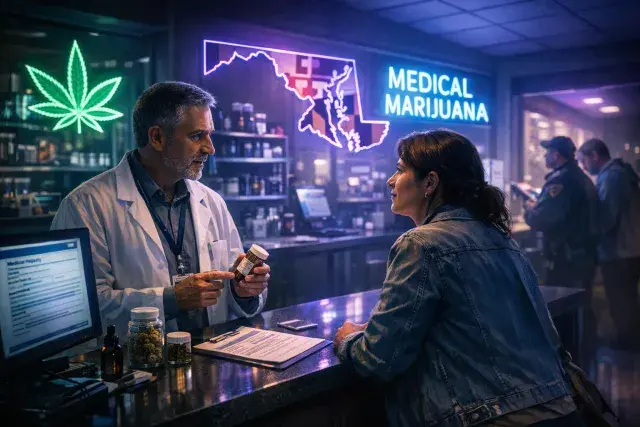
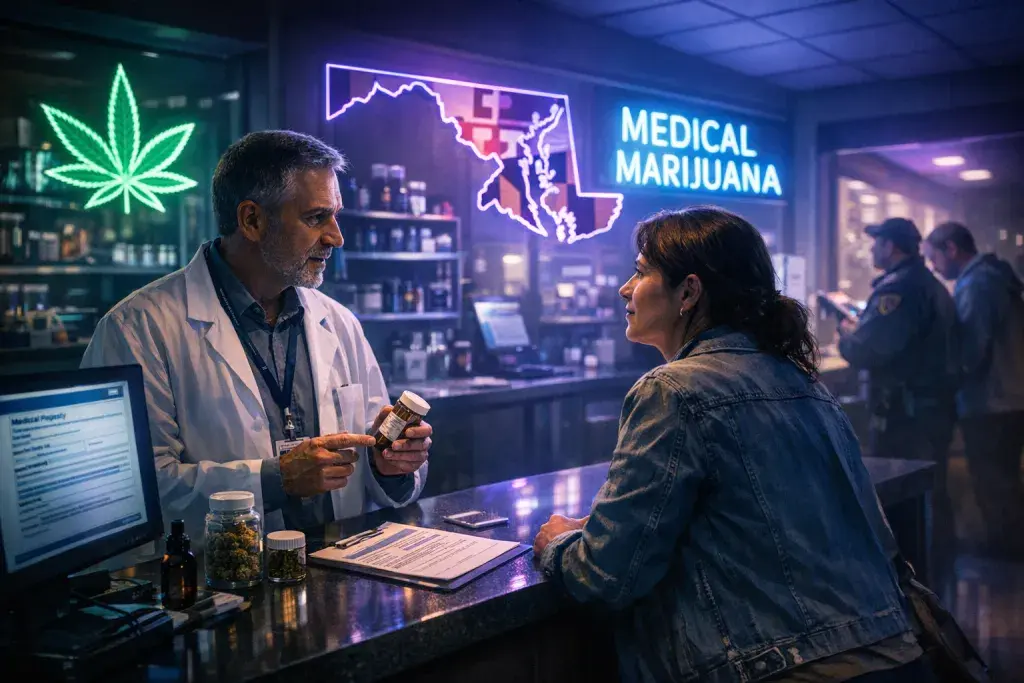
One of two licensed medical marijuana dispensaries in Cecil County has opened its doors in Elkton, with the second in Perryville set to follow soon. This marks the beginning of Maryland's measured expansion of medical cannabis access statewide. Patients with qualifying conditions can now apply for certification, positioning the region at the forefront of the state's program.
PharmKent Pioneers Access in Elkton
PharmKent LLC at 330 E. Pulaski Highway holds a preliminary license and already accepts applications from individuals whose medical conditions qualify them for cannabis use. Managing member Peter Murphy anticipates sales of approved products by late December or early January. Maryland's medical marijuana program, established through legislation in 2014, requires patients to obtain a state-issued certificate before purchasing, a step that ensures oversight amid growing demand for alternatives to traditional pain management.
Nature’s Care Prepares Perryville Launch
Nature’s Care and Wellness, located at 4925 Pulaski Highway, awaits its license, with director Linda Condon projecting an opening on January 15. The office will field registration calls starting January 2 to assist patients in securing certificates. This phased approach reflects the program's structure, where dispensaries must meet strict state standards for product testing, security, and record-keeping before dispensing oils, tinctures, or other non-smokable forms initially permitted.
Statewide Program Takes Measured Steps
Maryland's rollout prioritizes controlled growth to balance patient access with public health safeguards. The law targets conditions like chronic pain, cancer, and glaucoma, drawing from evidence that cannabinoids can alleviate symptoms where opioids fall short. Cecil County's early openings signal momentum, yet the full network of dispensaries will expand gradually, addressing past criticisms of limited availability in rural areas.
Implications for Patients and Policy
For Cecil County residents, these dispensaries reduce travel burdens and expand options in a state where medical cannabis serves over 70,000 registered patients annually, based on program reports. Success here could accelerate approvals elsewhere, while regulators monitor usage patterns to refine rules. The initiative underscores a shift toward regulated access, potentially easing opioid reliance amid national trends, though challenges like supply chain development persist.